
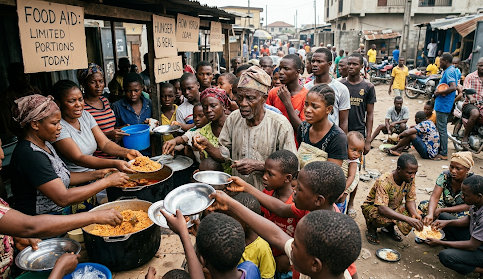

Across Nigeria, one issue continues to dominate everyday conversations in homes, markets, and workplaces: the rising cost of living. From food prices to transportation, rent, electricity, and basic household needs, many Nigerians are feeling intense financial pressure in 2026.
While economic reforms and policy adjustments continue at the national level, the reality on the ground is that millions of citizens are struggling to keep up with daily expenses. The question is no longer whether there is a cost of living crisis—but how Nigerians are coping with it.
A Daily Struggle for Survival
For many households, budgeting has become more difficult than ever. What used to be considered basic necessities now require careful planning and prioritization.
Common complaints include:
- Sharp increases in food prices
- Higher transport fares due to fuel costs
- Rising electricity and utility bills
- Increased rent in urban areas
For low and middle-income families, income often runs out before the month does.
Food Prices and Market Pressure
Food inflation remains one of the most painful aspects of the crisis. Prices of staples such as rice, beans, yam, and garri have risen significantly in many parts of the country.
Market traders report that:
- Supply costs are unstable
- Transportation adds extra burden to pricing
- Customers are buying in smaller quantities
As a result, many families have adjusted their diets, reducing variety and portion sizes just to cope.
Transportation and Fuel Impact
Transport costs continue to affect nearly every sector of life. The ripple effect of fuel pricing means that commuting, logistics, and delivery services all cost more.
This has led to:
- Higher daily transport expenses for workers and students
- Increased prices for goods due to logistics costs
- Reduced mobility for low-income earners
In many cities, people now carefully calculate whether trips are truly necessary before leaving home.
Salary vs Reality Gap
One of the biggest challenges Nigerians face is the widening gap between income and living expenses. While salaries in many sectors remain relatively stagnant, prices continue to rise.
This imbalance leads to:
- Reduced savings capacity
- Increased debt and borrowing
- Dependence on side hustles and informal work
For many households, one source of income is no longer enough.
How Nigerians Are Adapting
Despite the pressure, Nigerians are known for resilience and creativity. Across the country, people are finding ways to adjust.
1. Multiple Income Streams
Many individuals now engage in side businesses such as trading, freelancing, and small-scale services to supplement income.
2. Community Support Systems
Extended families and community networks play a bigger role in sharing resources and reducing financial burden.
3. Cost-Cutting Lifestyle Changes
Households are:
- Switching to cheaper alternatives
- Reducing discretionary spending
- Buying in bulk where possible
4. Migration for Opportunity
Some Nigerians are exploring relocation—both within and outside the country—in search of better economic conditions.
The Psychological Toll
Beyond financial strain, the cost of living crisis is also affecting mental and emotional well-being. Financial stress often leads to:
- Anxiety about the future
- Family tension over money
- Reduced quality of life
- Growing uncertainty among young people
For many, survival has replaced long-term planning.
Government Efforts and Public Expectations
Authorities continue to introduce policies aimed at stabilizing the economy and improving living standards. However, public expectations remain high, especially regarding:
- Price stability
- Job creation
- Social welfare support
- Infrastructure improvements
Citizens increasingly want to see visible, everyday relief rather than long-term projections.
What Needs to Change
Addressing the cost of living crisis requires coordinated action across multiple sectors:
- Boosting local production to reduce import dependency
- Stabilizing energy costs to reduce inflationary pressure
- Improving wages and productivity balance
- Supporting vulnerable households with targeted relief
- Strengthening transport and logistics systems
Without these interventions, the pressure on households may continue to grow.
Conclusion: A Nation Under Pressure, A People Adapting
The cost of living crisis in Nigeria is not just an economic statistic—it is a lived reality affecting millions every day.
Yet, amid the hardship, there is resilience. Nigerians continue to adapt, innovate, and support one another in ways that reflect both struggle and strength.
The challenge ahead is clear: ensuring that economic growth translates into real improvements in the lives of ordinary citizens.
NationEchoes remains committed to highlighting the issues that matter most to Nigerians—economy, governance, and everyday survival.