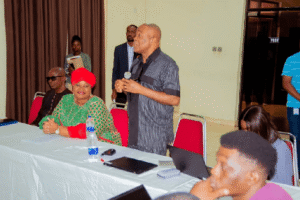

The Ondo State Government has commenced a review of interventions aimed at eliminating Female Genital Mutilation (FGM), with a call for stronger community participation to end the practice.
The two-day mid-year review meeting on the implementation of the United Nations Joint Programme on the Elimination of Female Genital Mutilation in the state is being held in collaboration with the United Nations Children’s Fund (UNICEF) and other development partners.
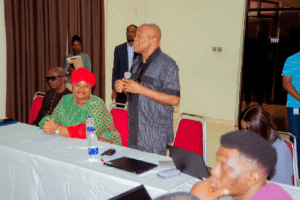
The meeting, which brought together government officials, development partners, civil society organisations and other stakeholders, is reviewing progress made between January and June 2026, while identifying strategies to accelerate the achievement of the programme’s targets for the year.
Speaking at the meeting, the Commissioner for Women Affairs and Social Development, Dr. Seun Osamaye, described FGM as gender-based violence, a violation of human rights and a public health concern.
She said the practice had no health benefits and could subject girls and women to serious physical, psychological and social consequences.
According to her, the Ministry of Women Affairs and Social Development remained committed to protecting women and children from harmful practices while creating opportunities for them to realise their full potential.
Osamaye said the state government, under Governor Lucky Aiyedatiwa and the First Lady, Mrs Oluwaseun Aiyedatiwa, was committed to creating a society where women and girls were protected, empowered and given equal opportunities to thrive.
She added that the administration’s interventions were focused on strengthening women and girls, addressing gender-based violence and creating an enabling environment for their wellbeing and development.
The commissioner, however, said the government could not eliminate FGM alone, stressing the need for the active participation of traditional and religious leaders, parents, community leaders, healthcare workers, educators, civil society organisations, the media, development partners, men and boys.
She said the review meeting offered stakeholders an opportunity to assess interventions that had worked, identify gaps and develop practical strategies to achieve the programme’s 2026 targets.
Osamaye urged stakeholders to move beyond awareness campaigns and focus on interventions capable of driving meaningful behavioural and social change within communities.
She said the fight against FGM would succeed when communities became champions of change by rejecting the practice, traditional institutions spoke firmly against it, survivors received support and girls understood that their bodies, dignity and future deserved protection.
The commissioner noted that Ondo State was among the states included in the UN Joint Programme after its extension to Edo and Ondo States in 2025.
She said the partnership would enable stakeholders to deepen interventions, strengthen coordination and ensure that girls were protected from FGM.
Osamaye commended UNICEF, the United Nations Population Fund (UNFPA); implementing partners, civil society organisations, government officials and other stakeholders for their contributions to the campaign against FGM.